The Key to Chinese Cooking by Irene Kuo - 1977 First Edition
They eat boiled bark, weeds, and roots when there is nothing else; they eat shallow-fried transparent prawns from preference, jasmine blossoms out of poetic sentiment, and wine-braised camel's hump from blatant extravagance. If there is anything the Chinese are perpetually serious about it is food. Irene Kuo, 1977
{HISTORY}
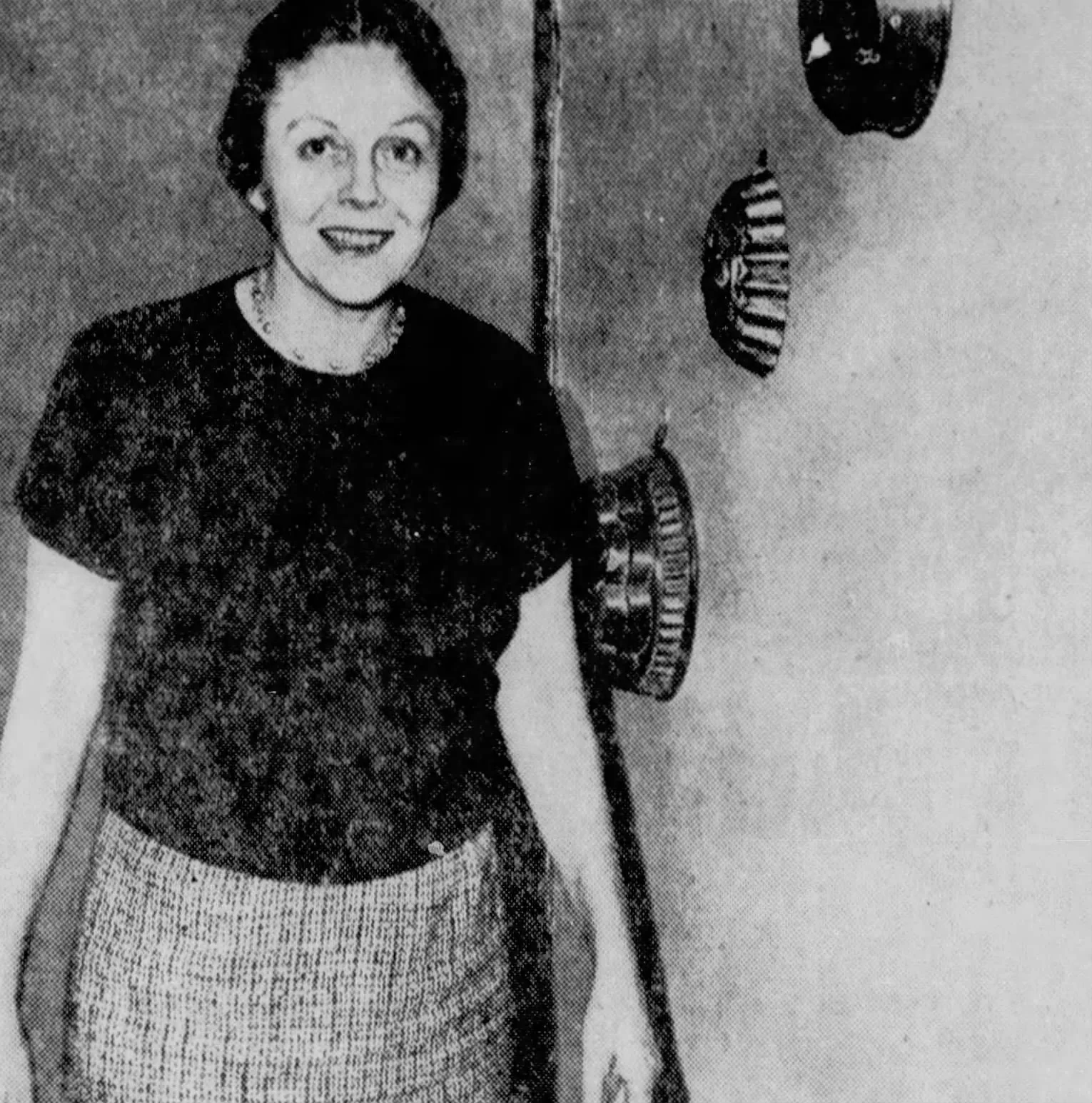
Following Julia Child's release of Mastering the Art of French Cooking, regional cookbooks started to take on a new level of education. When it came to Chinese cooking, there was no more suitable teacher than Irene Kuo (1919-1993), who grew up watching and learning how to cook from the household kitchen staff of her childhood home in Shanghai. That experience led to an eventual career in the United States as a restaurateur of two very successful Chinese restaurants, the Ginkgo Tree and the Lichee Tree in New York City.
Part of the Judith Jones canon of curating exceptional cooks and their recipes, Irene Kuo published The Key to Chinese Cooking in 1977. Like Julia, it took Irene many years to write this cookbook, four in total, as she fine-tuned all the exacting techniques and cooking methods to ensure that American cooks could successfully learn how to make authentic Chinese cuisine in their own kitchens.
By discussing the four basic ways to cook Chinese food: water, oil, wet heat (steam) and dry heat (roasting) in The Key to Chinese Cooking, Irene breaks down hundreds of recipes that fall under these simple methods. As she shares in the introduction, Chinese cooking is not all fast knives, tons of vegetable prep, and instant quick pan cooking. Most traditional meals come together in a leisurely, pleasurable, and stress-free fashion, and by breaking down the four techniques and discussing the various tools and equipment needed, anyone can master the authentic flavors perfected over centuries of this country's culture.
Just like Mastering The Art of French Cooking, Irene's love letter to the food of her homeland, was an instant bestseller and the first Chinese cookbook to be able to practicaly and realistically teach non-Asian cooks how to successfully conquer what was once believed to be a very daunting and intimidating cuisine.
Interesting recipes include Stuffed Parsley in Cuciumber Sauce, Cold-Stirred Chicken, Shredded Pork with Red-In-Snow Noodles, Tomato and Celery, Rainbow Soup, Sweet and Sour Pineapple Shrimp, Salt-Roasted Chicken, Yanchow Nestled Noodles, Green Peas in Crabmeat Sauce, Phoenix Dragon Chicken, Spicy Pork with Peanuts, Wu-Soong Crab Gunn, Filet Mignon Kow, Fluffy Spicy Shrimp, Stir-Fried Bean Sprouts, Sweet and Sour Walnuts, Soup Noodles with Chicken, Yangchow Fried Rice, Scallion Egg Pancakes, Steamd Pears with Cassia-Blossom Honey, and Cream of Yam with Sugared Walnuts.
Just like her cookbook, Irene was a dynamic and exotic presence in the American food landscape herself. In addition to writing a cookbook and running restaurants, she also taught cooking classes and made guest appearances on TV and radio shows. She had plans to write a second follow-up cookbook to this one, but never completed the project. That makes The Key To Chinese Cooking her one masterpiece and her enduring gift to the culinary community. Now considered a classic in the kitchen, it is still, many decades after Irene passed away, inspiring and influencing generations of cooks to this day.
{SPECIAL FEATURES}
- 1977 First Edition with original dust jacket
- 532 pages, including a detailed index
- Illustrated throughout with detailed drawings and calligraphy seals by Carolyn Moy and Irene's husband, Chi Chih Kuo
{CONDITION}
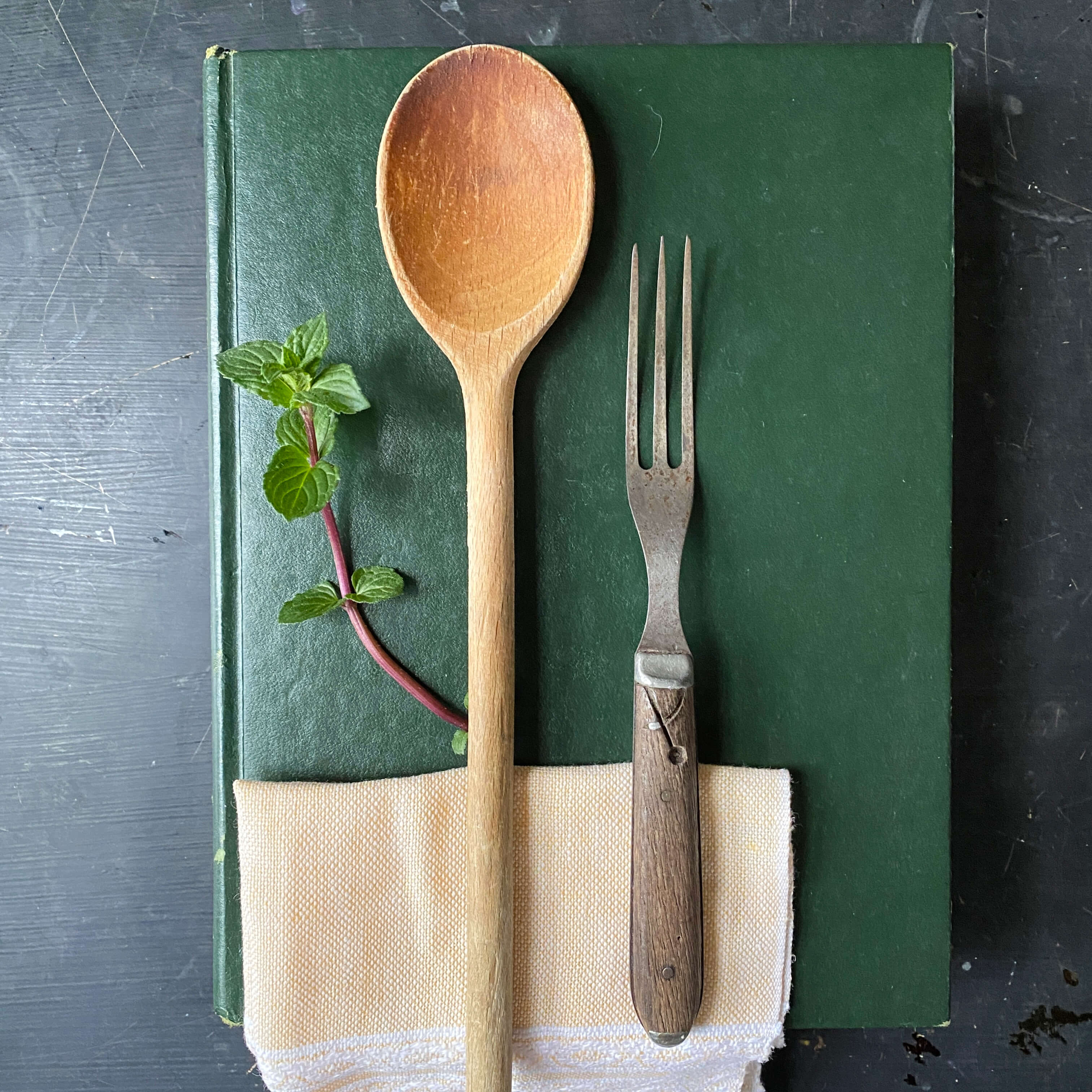
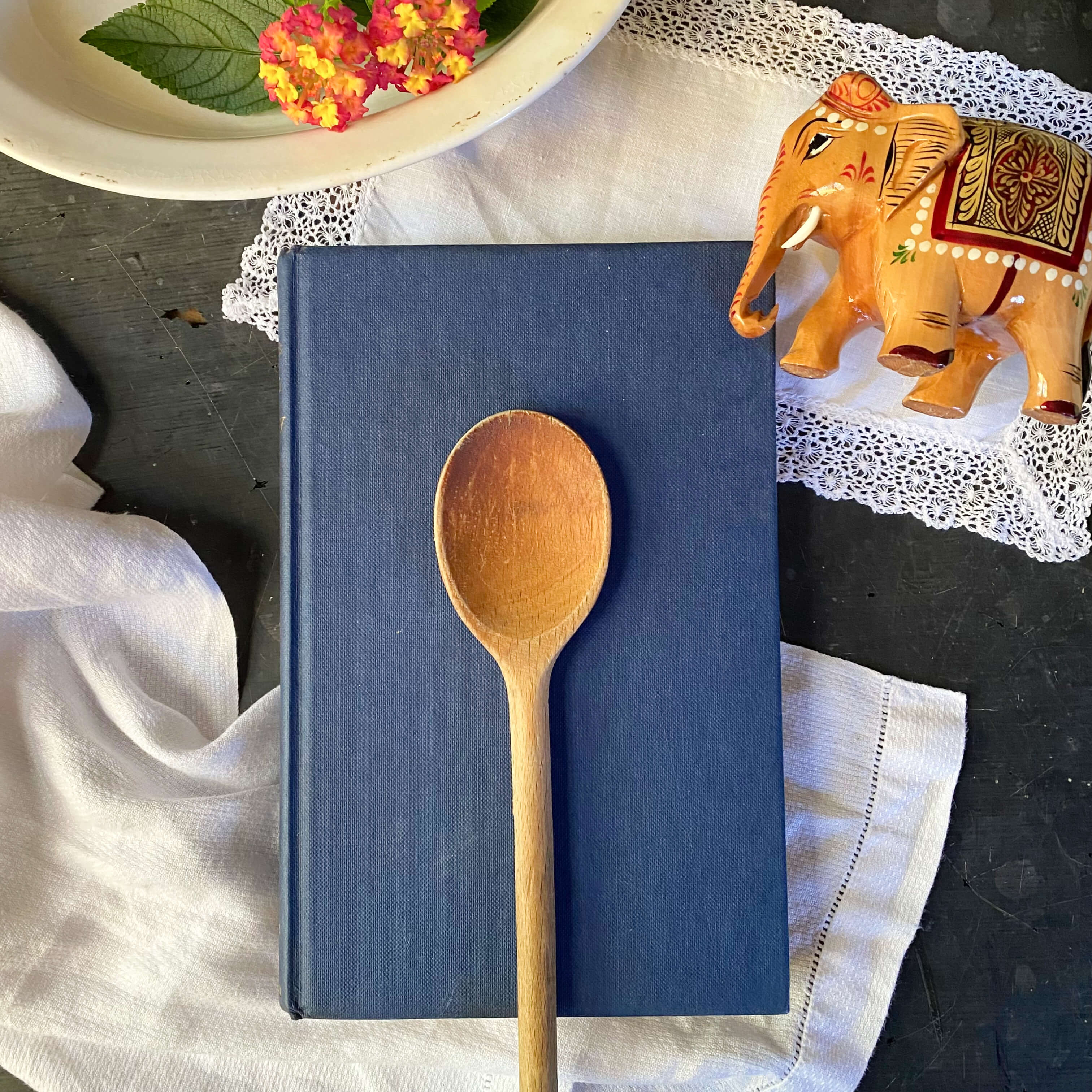
In beautiful vintage condition, this book is clean and bright throughout with no cooking spots, stains, or notations. The dust jacket is completely intact but bears some chippy areas along the top edge and a paper scuff on the front. The coverboards are very clean and bright. The spine is tight and all pages are intact.
{SIZE}
Measures 9.5" inches (length) x 7" inches (width) x 1.5" inches (thickness) and weighs 2.8 lbs.
Product Information
Product Information
Shipping & Returns
Shipping & Returns
Description
They eat boiled bark, weeds, and roots when there is nothing else; they eat shallow-fried transparent prawns from preference, jasmine blossoms out of poetic sentiment, and wine-braised camel's hump from blatant extravagance. If there is anything the Chinese are perpetually serious about it is food. Irene Kuo, 1977
{HISTORY}
Following Julia Child's release of Mastering the Art of French Cooking, regional cookbooks started to take on a new level of education. When it came to Chinese cooking, there was no more suitable teacher than Irene Kuo (1919-1993), who grew up watching and learning how to cook from the household kitchen staff of her childhood home in Shanghai. That experience led to an eventual career in the United States as a restaurateur of two very successful Chinese restaurants, the Ginkgo Tree and the Lichee Tree in New York City.
Part of the Judith Jones canon of curating exceptional cooks and their recipes, Irene Kuo published The Key to Chinese Cooking in 1977. Like Julia, it took Irene many years to write this cookbook, four in total, as she fine-tuned all the exacting techniques and cooking methods to ensure that American cooks could successfully learn how to make authentic Chinese cuisine in their own kitchens.
By discussing the four basic ways to cook Chinese food: water, oil, wet heat (steam) and dry heat (roasting) in The Key to Chinese Cooking, Irene breaks down hundreds of recipes that fall under these simple methods. As she shares in the introduction, Chinese cooking is not all fast knives, tons of vegetable prep, and instant quick pan cooking. Most traditional meals come together in a leisurely, pleasurable, and stress-free fashion, and by breaking down the four techniques and discussing the various tools and equipment needed, anyone can master the authentic flavors perfected over centuries of this country's culture.
Just like Mastering The Art of French Cooking, Irene's love letter to the food of her homeland, was an instant bestseller and the first Chinese cookbook to be able to practicaly and realistically teach non-Asian cooks how to successfully conquer what was once believed to be a very daunting and intimidating cuisine.
Interesting recipes include Stuffed Parsley in Cuciumber Sauce, Cold-Stirred Chicken, Shredded Pork with Red-In-Snow Noodles, Tomato and Celery, Rainbow Soup, Sweet and Sour Pineapple Shrimp, Salt-Roasted Chicken, Yanchow Nestled Noodles, Green Peas in Crabmeat Sauce, Phoenix Dragon Chicken, Spicy Pork with Peanuts, Wu-Soong Crab Gunn, Filet Mignon Kow, Fluffy Spicy Shrimp, Stir-Fried Bean Sprouts, Sweet and Sour Walnuts, Soup Noodles with Chicken, Yangchow Fried Rice, Scallion Egg Pancakes, Steamd Pears with Cassia-Blossom Honey, and Cream of Yam with Sugared Walnuts.
Just like her cookbook, Irene was a dynamic and exotic presence in the American food landscape herself. In addition to writing a cookbook and running restaurants, she also taught cooking classes and made guest appearances on TV and radio shows. She had plans to write a second follow-up cookbook to this one, but never completed the project. That makes The Key To Chinese Cooking her one masterpiece and her enduring gift to the culinary community. Now considered a classic in the kitchen, it is still, many decades after Irene passed away, inspiring and influencing generations of cooks to this day.
{SPECIAL FEATURES}
- 1977 First Edition with original dust jacket
- 532 pages, including a detailed index
- Illustrated throughout with detailed drawings and calligraphy seals by Carolyn Moy and Irene's husband, Chi Chih Kuo
{CONDITION}
In beautiful vintage condition, this book is clean and bright throughout with no cooking spots, stains, or notations. The dust jacket is completely intact but bears some chippy areas along the top edge and a paper scuff on the front. The coverboards are very clean and bright. The spine is tight and all pages are intact.
{SIZE}
Measures 9.5" inches (length) x 7" inches (width) x 1.5" inches (thickness) and weighs 2.8 lbs.