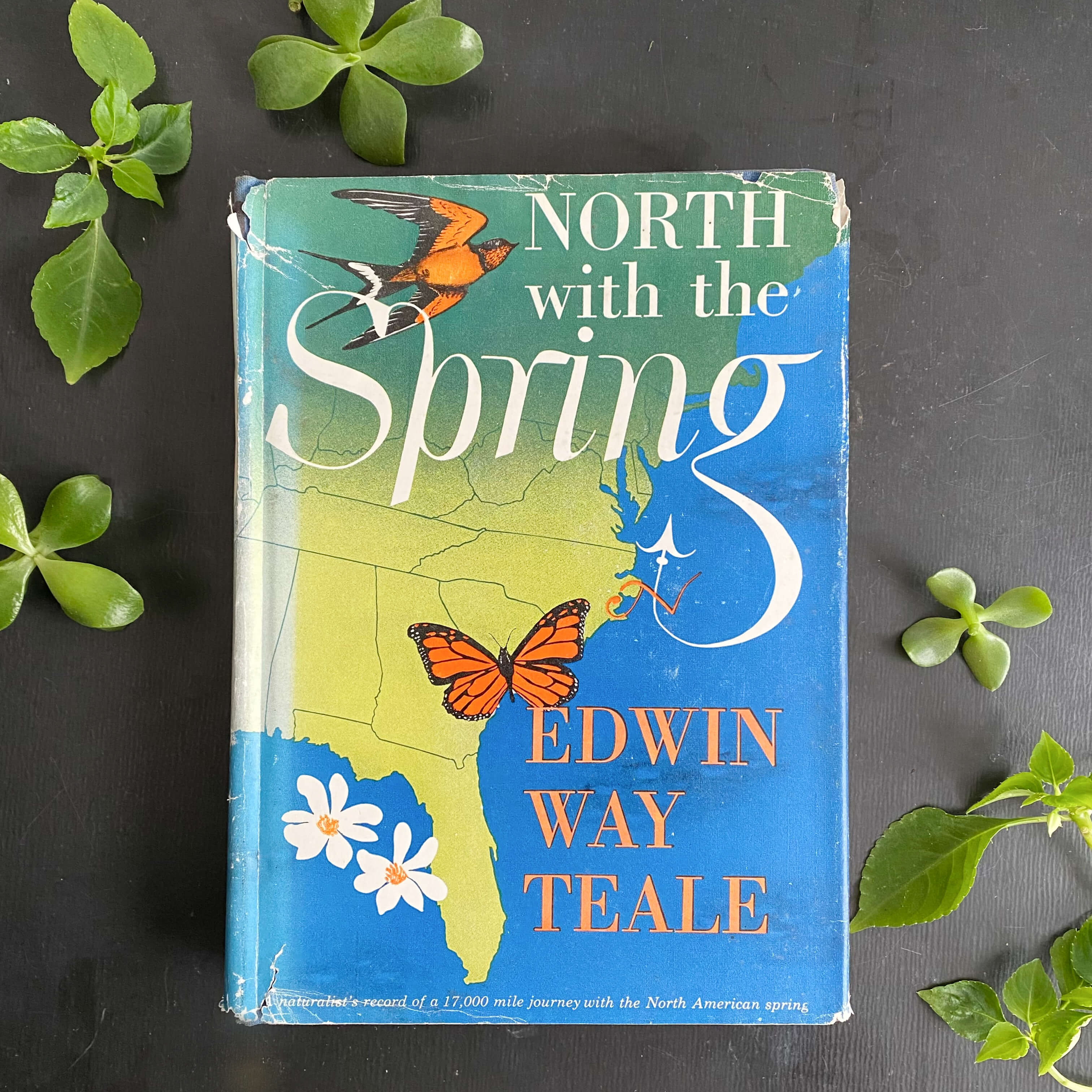


Nature's Program by Gaylord Johnson - 1926 Edition with Illustrations by R.E. Todhunter
... to tell you at what time of the year, and in what places, you are likely to find the different birds, butterflies, animals, and plants...
{HISTORY}
Like a book of days, except operating on the monthly calendar, Nature's Program, published in 1926, offers detailed lists of all the creatures and plant life that emerge in the landscape, month by month, across one full year.
Using New York City as the basecamp of observation, this field guide begins in March, as the landscape slowly wakews up from its winter rest. Describing what’s blooming, flying and forging its way up from the ground, despite patches of snow that still linger and cold temperatures that see-saw their way through the month, there is a lot to discover.
March is the time to look out for migrating birds like Marsh Hawks, Grackles, and Bluebirds. It’s the month when ground laurel, skunk cabbage, and Claytonia begin to green the ground. And it’s also the month when red foxes become more active during the day, when Mourning-Cloak butterflies start working their wings around the woods, and when Starry Magnolia trees start to bloom.
Every month of the year offers something new and exciting to see. There's the Harebell flowers in June. The rare Pearly Eye butterfly in July. The Sandpiper shorebird in August. December highlights the winter residency of the Junco, the opportunity to scout native planting rosettes, and the chance to nest hunt for abandoned hornet homes left empty from the previous season.
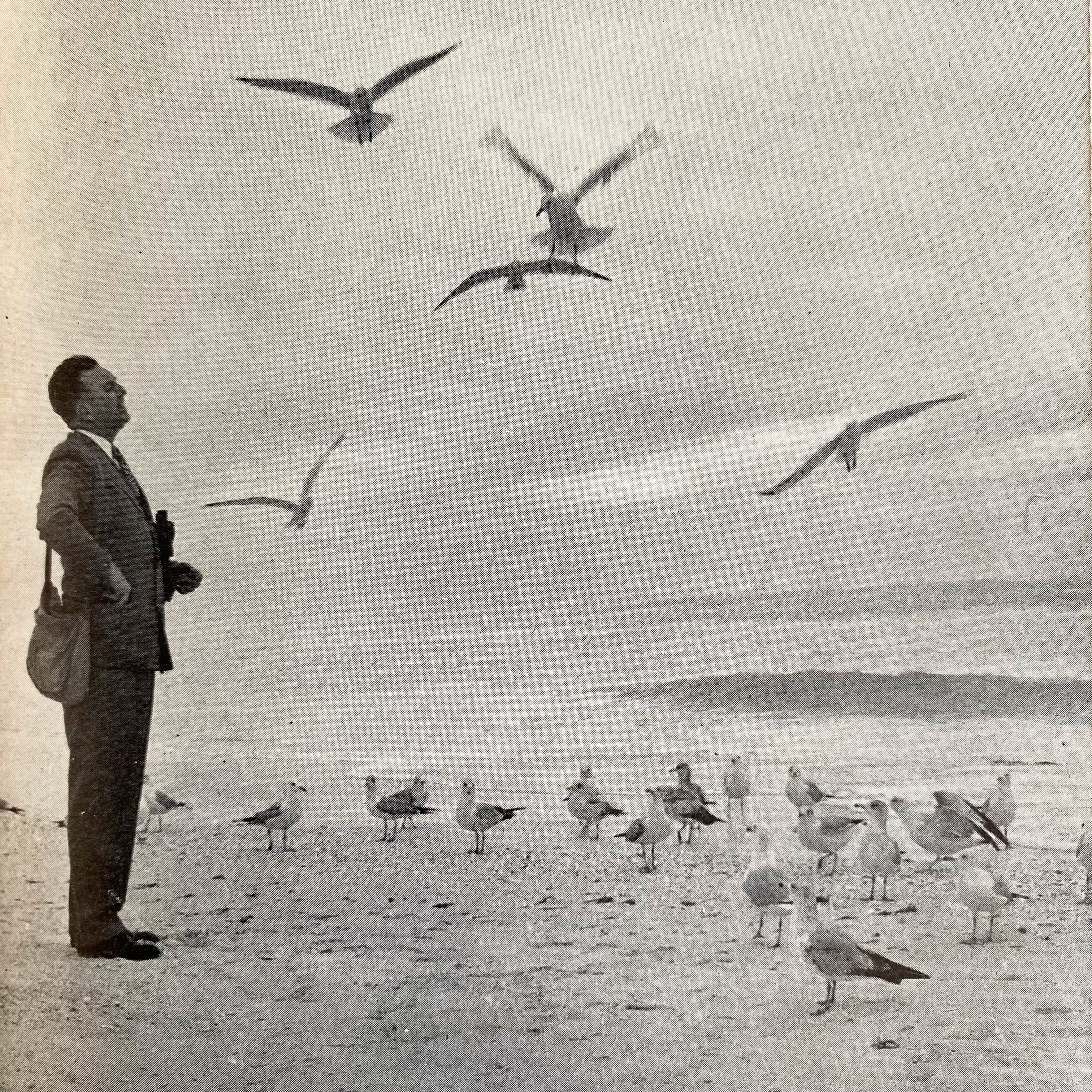
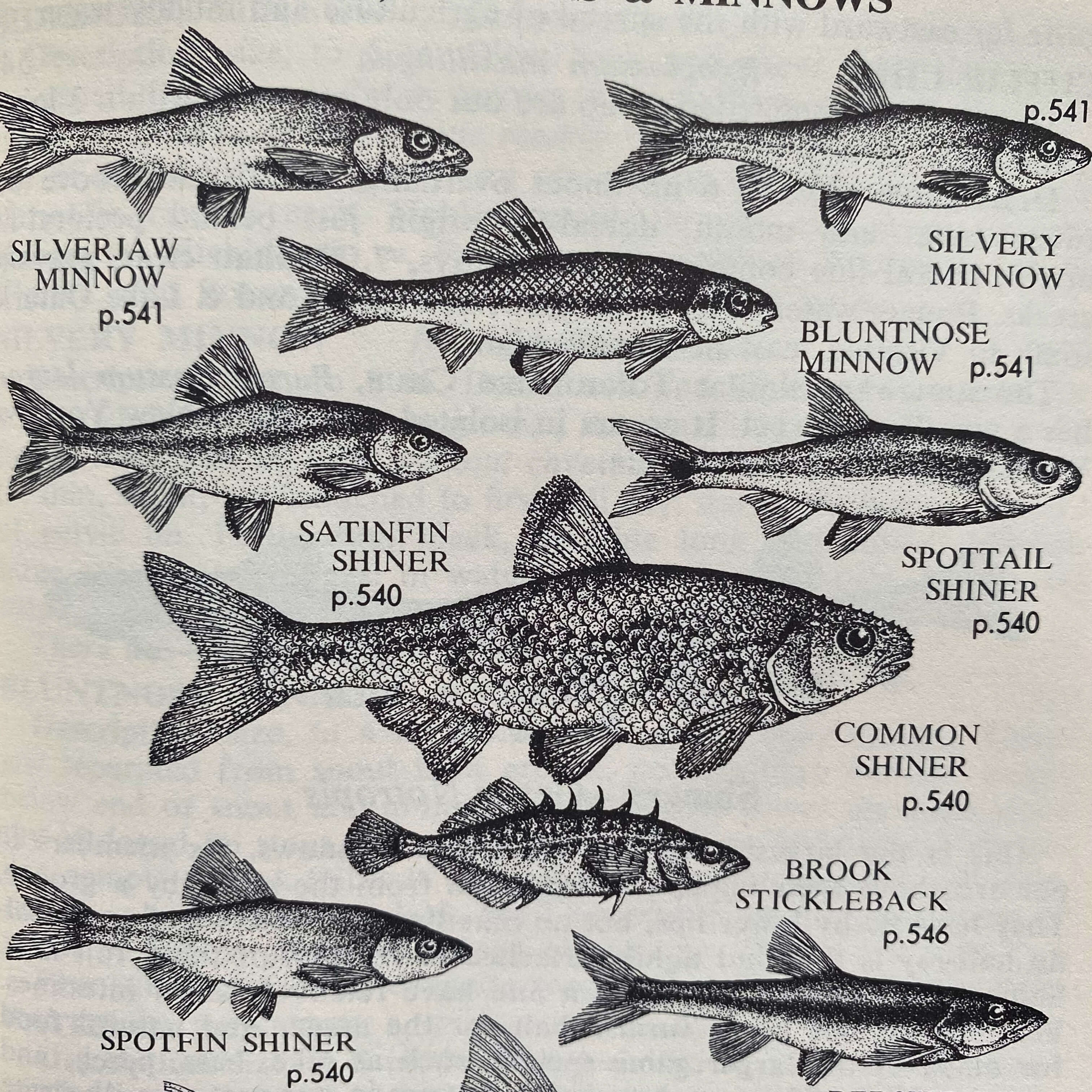
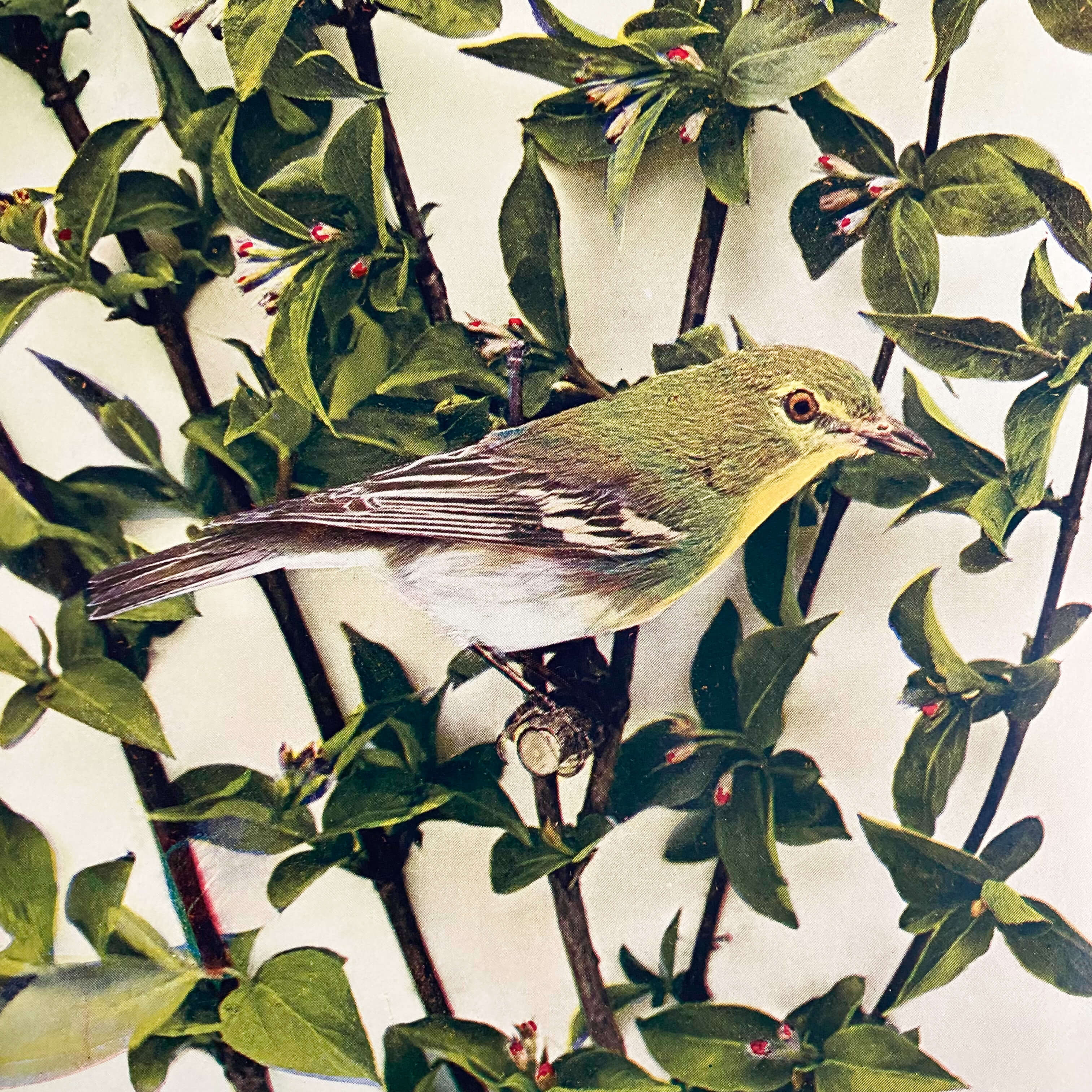
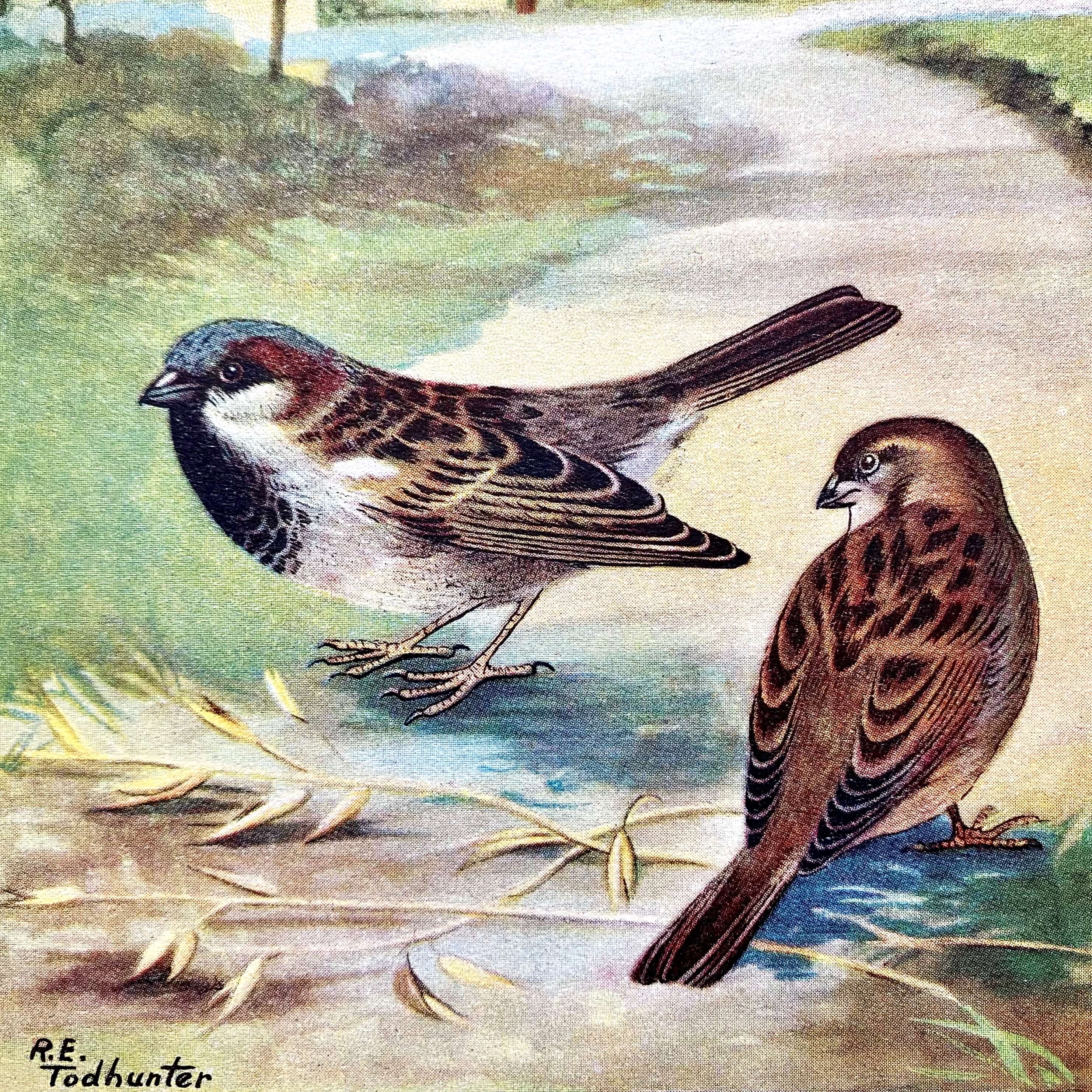
Working in tandem with the Nature Library Series, a separate set of books that offered more in-depth information on specific varieties of plants and animals, Nature’s Program, compiled by natural sciences writer Gaylord Johnson, may have been designed with kids in mind, but it's contents are appropriate for all ages. Offering detailed information on flowering seasons, bird identification, locations, and varietal specifications, each month’s list of must-sees is accompanied by quotes from well-regarded nature writers and black-and-white illustrations. Several full-color bookplates by early 20th-century nature artists including R. E. Todhunter, highlight the colorful beauty of flowers, butterflies, birds and even a cute little chipmunk.
A book of joy and inspiration, Nature’s Program offers readers a sense of comfort in the rhythms and routines of the natural world, while also providing a myriad of things to look forward to season by season. Although the world has changed a lot since 1926, nature operates on her own schedule, acting as a refuge of reliability and adaptability that is both hopeful and promising.
{SPECIAL FEATURES}
- Published in 1926
- 181 pages
- Illustrated throughout
{CONDITION}
In lovely antique condition, this book is clean and bright throughout. The spine is tight, and all pages are intact.
{SIZE}
Measures 8.25” inches (length) x 5.75” inches (width) x .75” inches (thickness) and weighs 11 oz.
Original: $16.00
-65%$16.00
$5.60Product Information
Product Information
Shipping & Returns
Shipping & Returns
Description
... to tell you at what time of the year, and in what places, you are likely to find the different birds, butterflies, animals, and plants...
{HISTORY}
Like a book of days, except operating on the monthly calendar, Nature's Program, published in 1926, offers detailed lists of all the creatures and plant life that emerge in the landscape, month by month, across one full year.
Using New York City as the basecamp of observation, this field guide begins in March, as the landscape slowly wakews up from its winter rest. Describing what’s blooming, flying and forging its way up from the ground, despite patches of snow that still linger and cold temperatures that see-saw their way through the month, there is a lot to discover.
March is the time to look out for migrating birds like Marsh Hawks, Grackles, and Bluebirds. It’s the month when ground laurel, skunk cabbage, and Claytonia begin to green the ground. And it’s also the month when red foxes become more active during the day, when Mourning-Cloak butterflies start working their wings around the woods, and when Starry Magnolia trees start to bloom.
Every month of the year offers something new and exciting to see. There's the Harebell flowers in June. The rare Pearly Eye butterfly in July. The Sandpiper shorebird in August. December highlights the winter residency of the Junco, the opportunity to scout native planting rosettes, and the chance to nest hunt for abandoned hornet homes left empty from the previous season.
Working in tandem with the Nature Library Series, a separate set of books that offered more in-depth information on specific varieties of plants and animals, Nature’s Program, compiled by natural sciences writer Gaylord Johnson, may have been designed with kids in mind, but it's contents are appropriate for all ages. Offering detailed information on flowering seasons, bird identification, locations, and varietal specifications, each month’s list of must-sees is accompanied by quotes from well-regarded nature writers and black-and-white illustrations. Several full-color bookplates by early 20th-century nature artists including R. E. Todhunter, highlight the colorful beauty of flowers, butterflies, birds and even a cute little chipmunk.
A book of joy and inspiration, Nature’s Program offers readers a sense of comfort in the rhythms and routines of the natural world, while also providing a myriad of things to look forward to season by season. Although the world has changed a lot since 1926, nature operates on her own schedule, acting as a refuge of reliability and adaptability that is both hopeful and promising.
{SPECIAL FEATURES}
- Published in 1926
- 181 pages
- Illustrated throughout
{CONDITION}
In lovely antique condition, this book is clean and bright throughout. The spine is tight, and all pages are intact.
{SIZE}
Measures 8.25” inches (length) x 5.75” inches (width) x .75” inches (thickness) and weighs 11 oz.